Table of Contents
Toggle
Every community carries stories within it — in the faces of its elders, the walls of its buildings, the rhythms of its celebrations. But these stories are fragile. Without someone to document them, they fade quietly from memory, leaving future generations with little more than fragments.
Heritage photography across the West Midlands is how communities preserve the stories held in the faces of their elders, the walls of their buildings, and the rhythms of their celebrations.
📌 Key Takeaways
- Heritage photography preserves cultural memory that mainstream archives too often overlook
- West Midlands institutions such as Black Country Living Museum actively seek community photographic records
- A strong photography component significantly strengthens National Lottery Heritage Fund and Arts Council applications
- Ethical practice — consent, community ownership, archiving — is as important as technical skill
- Project costs range from around £300 for a portrait session to £10,000+ for a multi-year funded archive
- The window for capturing certain kinds of heritage is narrower than organisations often assume
Heritage photography exists to prevent that loss. It is a discipline that sits at the intersection of documentary practice, community engagement, and cultural preservation. Across the West Midlands — in Walsall, Birmingham, Wolverhampton, and beyond — communities are rich with histories that deserve to be seen, recorded, and shared.
This post explores what heritage photography is, why it matters, how organisations can use it effectively, and what to look for when commissioning a photographer for this kind of work.
What Is Heritage Photography?
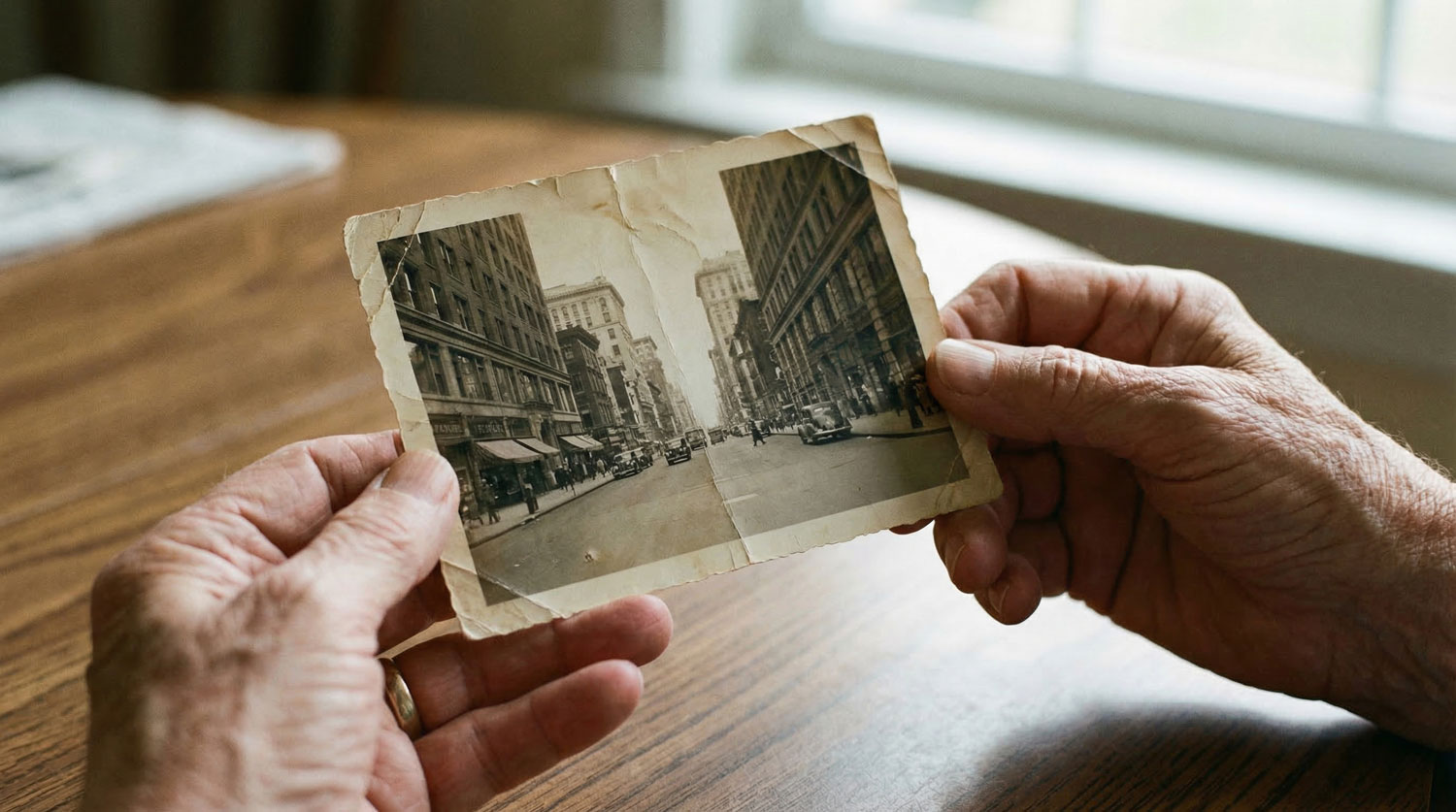
Heritage photography is the practice of creating documentary images that capture the cultural, historical, and social life of communities. Unlike commercial photography, which focuses on products or services, heritage photography is concerned with people, place, and time.
It encompasses a wide range of subjects:
- Portraits of long-standing community members and elders
- Documentation of traditional crafts, trades, and skills
- Cultural celebrations, festivals, and religious events
- Buildings, streets, and public spaces that carry historical significance
- The everyday life of a community at a particular moment in time
The goal is not simply to take photographs, but to create a visual record that can be passed down, exhibited, archived, and used to tell meaningful stories for years to come.
Heritage photography differs from straightforward event photography in its intent. A wedding photographer is there to document a specific occasion. A heritage photographer is there to capture something that may otherwise disappear — to make visible what is at risk of becoming invisible.
Why Does Heritage Photography Matter?
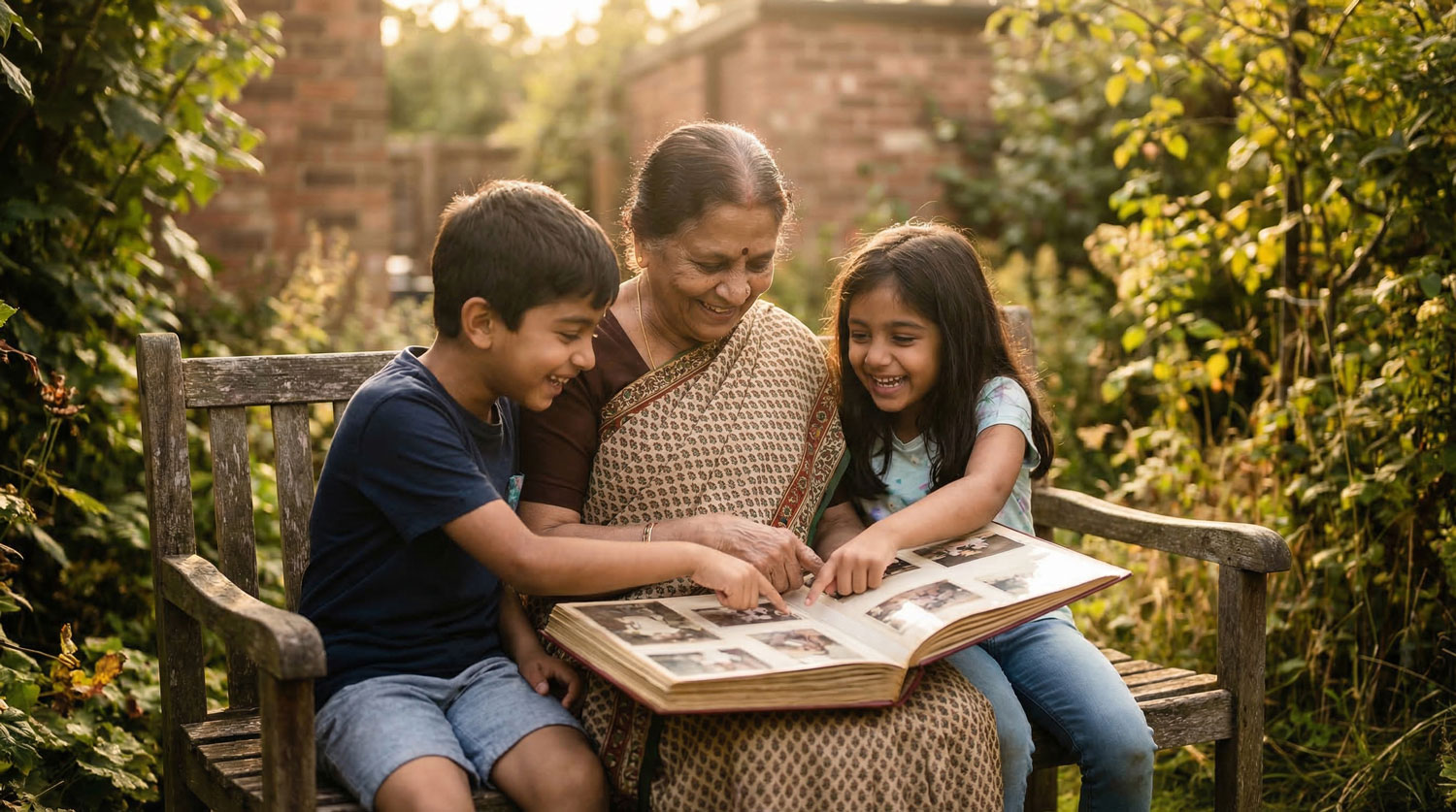
The urgency of heritage photography is perhaps best understood through what happens when it is absent. We lose faces. We lose context. We lose the texture of how people actually lived.
The West Midlands has a particularly rich and layered heritage. It is a region shaped by industrial revolution, by waves of migration, by extraordinary artistic and musical traditions, and by tight-knit communities that have weathered enormous change. That heritage does not preserve itself.
Preserving Cultural Memory
Photographs are among the most powerful carriers of cultural memory we have. A single image can convey decades of social history — the clothing people wore, the spaces they gathered in, the expressions on their faces during moments of joy, grief, or collective action.
For communities with roots in South Asia, the Caribbean, Eastern Europe, or the Middle East — many of whom have made the West Midlands their home — heritage photography serves an additional purpose. It makes visible the contributions and experiences of communities that mainstream historical archives have too often overlooked.
When those communities are photographed with care and dignity, the result is not just a document — it is an act of recognition.
Bridging Generations
Heritage photography projects consistently reveal something remarkable: when communities see themselves reflected in documentary images, the response is profound. Older participants recognise their own history validated. Younger participants discover stories they never knew.
This is why so many community heritage projects combine photography with oral history, workshops, and public exhibition. The photographs act as anchors — a shared visual language around which conversations, memories, and new connections can grow.
Creating Lasting Public Record
Beyond the immediate community, heritage photography contributes to a wider public record. Libraries, museums, schools, and local archives all benefit from high-quality documentary images that provide historical context. In the West Midlands, institutions such as Black Country Living Museum and The New Art Gallery Walsall actively seek photographic records of community life precisely because such images are so rarely created with archival intent.
Heritage Photography and Funded Projects
Organisations across the UK — from local councils and arts charities to national funders like the National Lottery Heritage Fund and Arts Council England — recognise the value of community heritage work. Photography is often central to successful funding bids and project delivery.
A strong photography component demonstrates several things to funders:
- Reach and engagement — photographs show who was involved and how
- Tangible outputs — an archive or exhibition that outlasts the project itself
- Community buy-in — authentic images of real participants carry more weight than stock photography
- Legacy — a record that can be passed to local archives, schools, or community groups
For organisations preparing funding applications, commissioning a professional heritage photographer is not just a line item — it is an investment in the credibility and longevity of the entire project.
It is also worth noting that funders increasingly scrutinise the quality and authenticity of photographic evidence submitted in final reports. Well-composed, thoughtfully produced images speak to the professionalism of the organisation and the genuine impact of the work. Poorly lit, low-quality images — however sincere — can undermine what was otherwise an excellent project.
Heritage Photography West Midlands: Documenting a Region's Stories
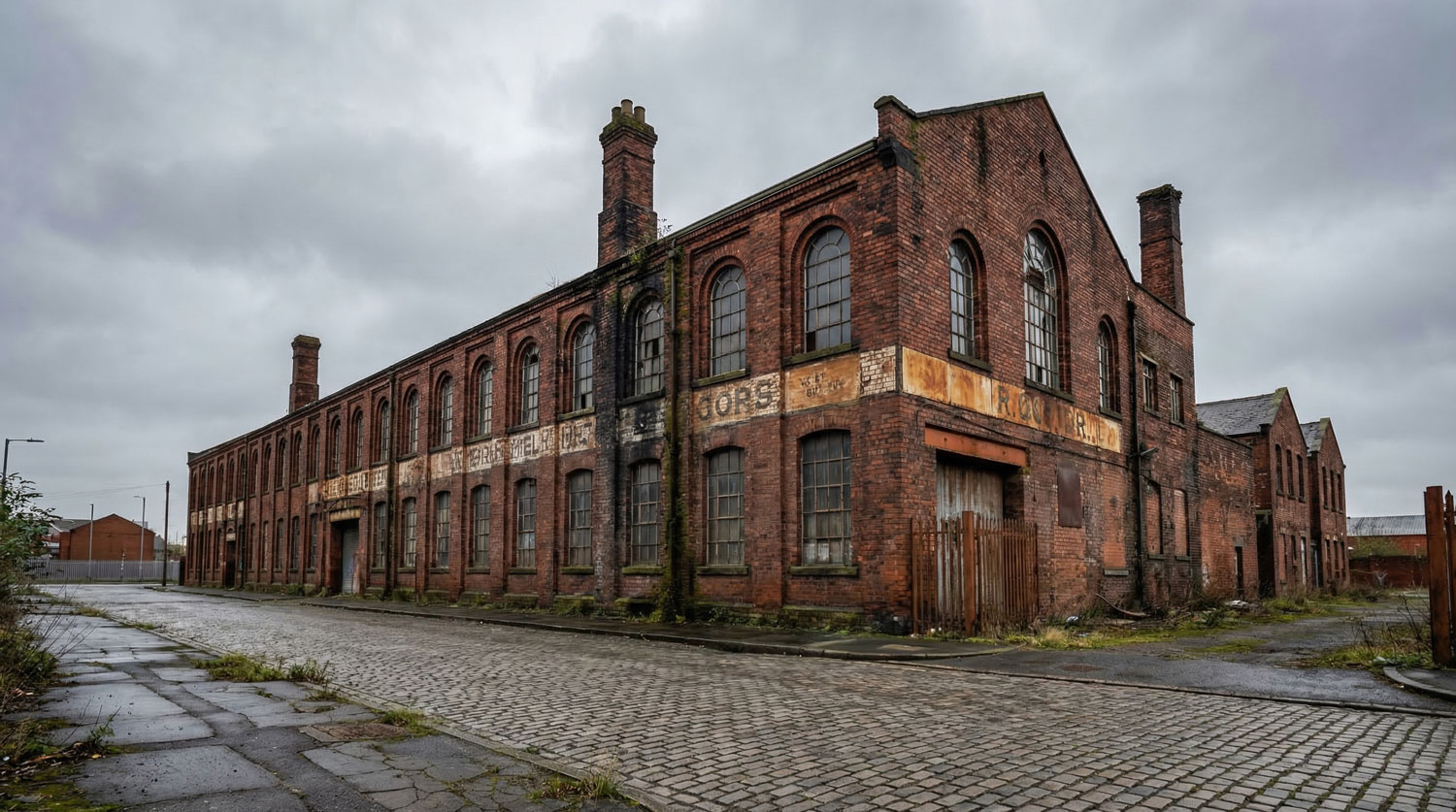
The West Midlands is not short of heritage worth documenting. From Walsall’s market culture and Black Country industrial history to Birmingham’s diasporic communities and Wolverhampton’s performing arts scene, the region offers an extraordinary depth of human story.
What it has sometimes lacked is photographers willing to go deep — to spend time within communities, to earn trust, and to produce work that those communities themselves would be proud to display.
At Outroslide, we have been fortunate to work on projects that do exactly this. Our experience with community heritage photography has taught us that the process matters as much as the output. Participants who feel seen, respected, and involved in the storytelling produce richer, more authentic images — and remain advocates for the work long after the project has concluded.
Key Heritage Funding Sources for West Midlands Organisations
Funder | Grant Range | Typical Project Length | Best For |
National Lottery Heritage Fund | £10,000–£10m | Up to 5 years | Community archives, exhibitions, oral history |
Arts Council England (Project Grants) | £1,000–£100,000 | Flexible | Photography projects, community engagement, touring exhibitions |
Walsall Council (Arts & Heritage) | Variable — contact directly | Short to medium term | Local Walsall community projects |
West Midlands Combined Authority | Variable | Project-specific | Regional heritage, levelling up, cultural regeneration |
The National Lottery Community Fund | £300–£500,000 | Up to 5 years | Community-led projects with strong wellbeing outcomes |
What Makes Good Heritage Photography?
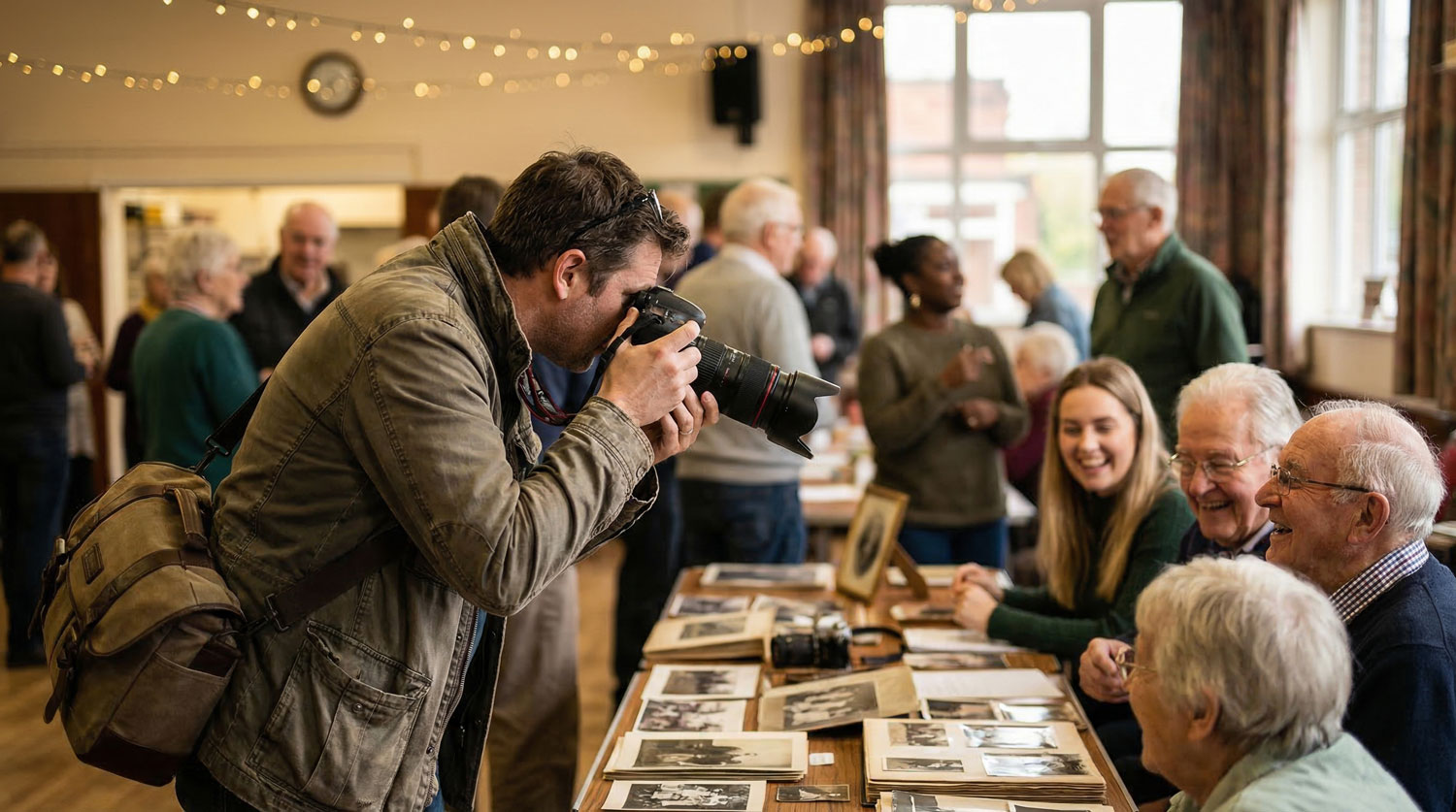
Technical skill is necessary but not sufficient. The best heritage photography is built on relationships, time, and ethical practice.
Trust and Access
Communities open up to photographers they trust. This trust is built slowly, through consistency, transparency about intentions, and genuine curiosity about people’s lives. It cannot be rushed or manufactured. Photographers who parachute in for a single session and leave will rarely produce work with the depth or authenticity that heritage photography demands.
Ethical Practice
Heritage photographers have a responsibility to the people they photograph. This means obtaining informed consent, handling images with sensitivity, and considering how participants might feel seeing themselves in print or on screen. It also means being honest about where and how images will be used — and ensuring the community retains some ownership over the resulting archive.
A Long-Term Perspective
The photographs produced today will be viewed very differently in twenty, fifty, or a hundred years’ time. Good heritage photography is made with that future audience in mind — images that are clear, contextualised, and properly archived so they remain accessible and useful long into the future.
Commissioning Heritage Photography: What to Consider
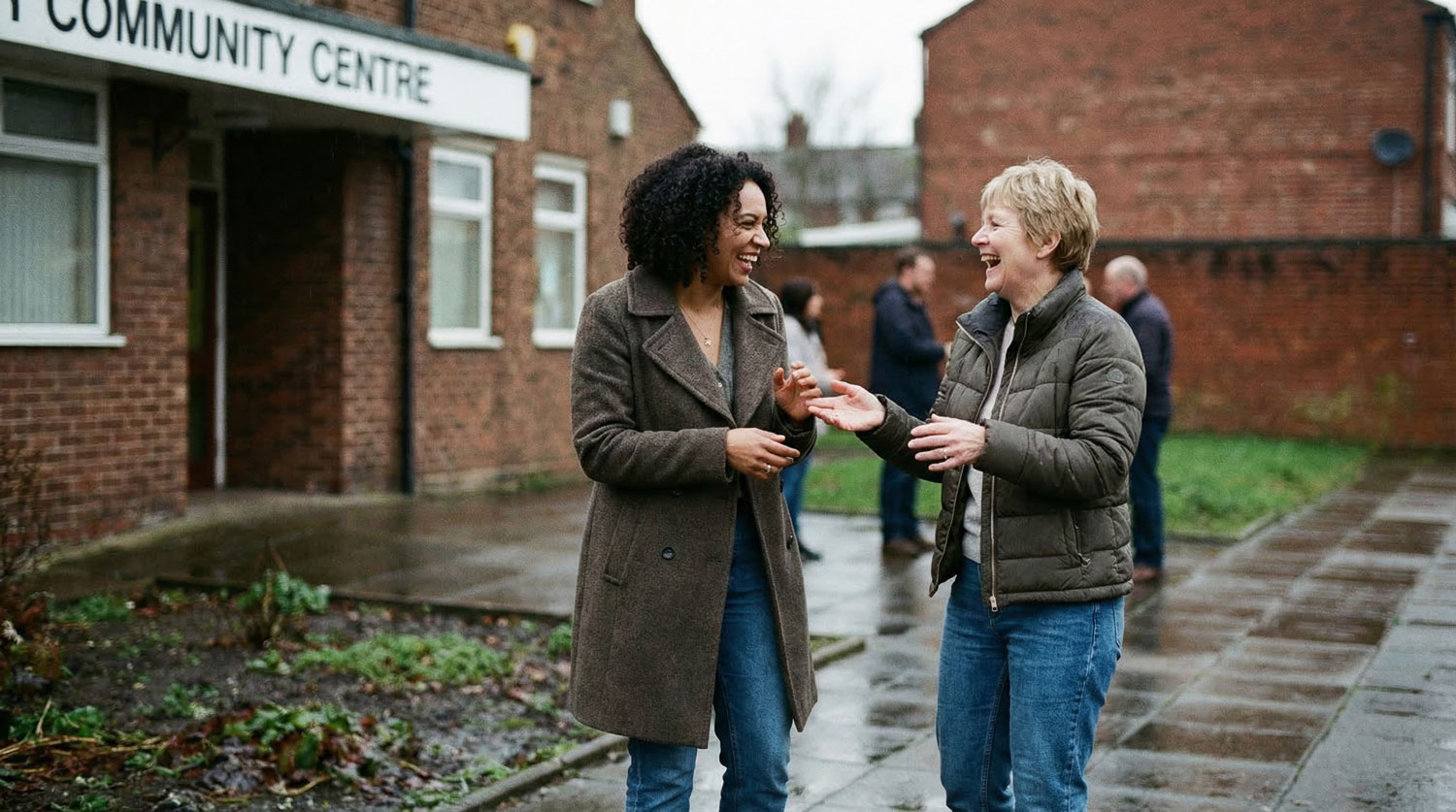
If you are an organisation or community group considering a heritage photography project, here are some of the key questions to ask before you begin:
- What is the story we want to tell, and who are its central characters?
- Who are we making this for — the community itself, funders, a broader public audience, or future generations?
- What will happen to the images after the project ends — will they be archived, exhibited, or published?
- Do we have a photographer with genuine experience in documentary and community work, not just commercial photography?
- How will we involve the community in the process, rather than simply photographing them as subjects?
These questions do not have simple answers, but asking them early shapes better projects — and better photographs.
Budget is also a practical consideration. Heritage photography projects vary enormously in scope, from a single community portrait session to a multi-year funded documentary archive. A clear brief and realistic budget discussion at the outset will save time for everyone and ensure the photographer can deliver work of genuine quality.
Conclusion: The Work That Needs Doing
There is a particular kind of loss that comes not from disaster but from neglect — from simply never getting round to documenting what was always there. Heritage photography is, at its core, a commitment to not letting that happen.
Across the West Midlands, communities are holding stories that deserve to be seen. Some of those stories are still being lived. Some of the people who carry them are getting older. The window for capturing certain kinds of heritage is not always as wide as we assume.
Photography cannot preserve everything. But in the right hands, it can preserve enough — enough to give future generations a sense of who came before them, how they lived, and what they valued. That is not a small thing.
Heritage photography is also, increasingly, a strategic asset. Funders are more competitive than ever. Community trust is harder to earn and easier to lose. Organisations that invest in authentic, high-quality visual documentation stand apart — not just in funding applications, but in the depth of their relationships with the communities they serve.
The West Midlands creative sector has always thrived on telling its own story. From the Black Country’s industrial pride to Birmingham’s extraordinary cultural diversity, this is a region that knows its heritage matters. Heritage photography ensures those stories are not just remembered — they are seen.
If your organisation is exploring heritage photography West Midlands-wide or locally in Walsall, we would love to talk Whether you need a single community portrait session or a multi-year documentary archive, Outroslide brings the experience, the relationships, and the commitment to produce work your community will be proud of for generations.
Ready to document your community’s story? Contact Outroslide to discuss your heritage photography project in Walsall and across the West Midlands.
Frequently Asked Questions About Heritage Photography
What is the difference between heritage photography and documentary photography?
The two are closely related, but heritage photography has a specific cultural preservation focus. Documentary photography captures events and stories as they unfold, often for journalistic or editorial purposes. Heritage photography is explicitly concerned with preserving cultural memory — it is made with archives, communities, and future generations in mind, and is often part of a funded project with a long-term legacy component.
How much does a heritage photography project cost?
Costs vary significantly depending on scope. A focused community portrait session might start from around £300–£500, while a funded multi-session documentary project with archiving, editing, and exhibition support could range from £2,000 to £10,000 or more. It is always worth discussing your project brief openly with a photographer before assuming a budget — many heritage photographers are experienced in working within grant-funded structures and can help you plan accordingly.
Can heritage photography be included in a funding application?
Absolutely — and it often strengthens the bid considerably. Funders such as the National Lottery Heritage Fund and Arts Council England look favourably on projects that include high-quality documentation and a clear archiving plan. Including a named photographer in your application, with evidence of their community documentary experience, demonstrates both credibility and preparedness.
How do you ensure community members are comfortable being photographed?
Ethical practice begins before the camera comes out. A good heritage photographer will attend community meetings or introductory sessions, explain how the images will be used, obtain written consent, and give participants the opportunity to review and approve images before they are published. Building this kind of trust takes time, but it is what separates authentic heritage work from intrusive documentation.
What happens to the images after a heritage photography project ends?
A good project will plan for this from the outset. Options include donating the archive to a local institution such as The New Art Gallery Walsall or Black Country Living Museum, creating a digital archive hosted by the community organisation, or producing a printed publication. The images should belong, in a meaningful sense, to the community that made them possible.
Does Outroslide work on heritage projects outside Walsall?
Yes. While Walsall is our home base, we work on heritage and community photography projects across the West Midlands and beyond. If you have a project in mind and are based elsewhere in the region, please do get in touch — we are always glad to hear from organisations doing this kind of work.
How can I find out if my project qualifies for heritage photography funding?
The National Lottery Heritage Fund and Arts Council England National Lottery Project Grants are the two main national funders for this type of work in England. Your local authority may also have small grants available through its arts, heritage, or community development teams. Walsall Council and the West Midlands Combined Authority both have funding programmes worth exploring. A heritage photographer with experience of funded projects will often be able to advise you on the landscape and help you shape a compelling application.
Book Your Documentary Photography Experience for Your Organisation
Ready to preserve your organisation’s authentic moments through documentary photography? Whether you’re planning a corporate event, seeking visual assets that showcase your genuine workplace culture, or need compelling images for a non-profit campaign, Walsall’s documentary photographers offer exceptional visual storytelling for organisations.
Contact us today to discuss how we can document your organisation’s unique story through authentic, unposed documentary photography in Walsall and throughout the West Midlands.