Documentary Photographer Birmingham | Outroslide Photography
Documentary Photographer Birmingham
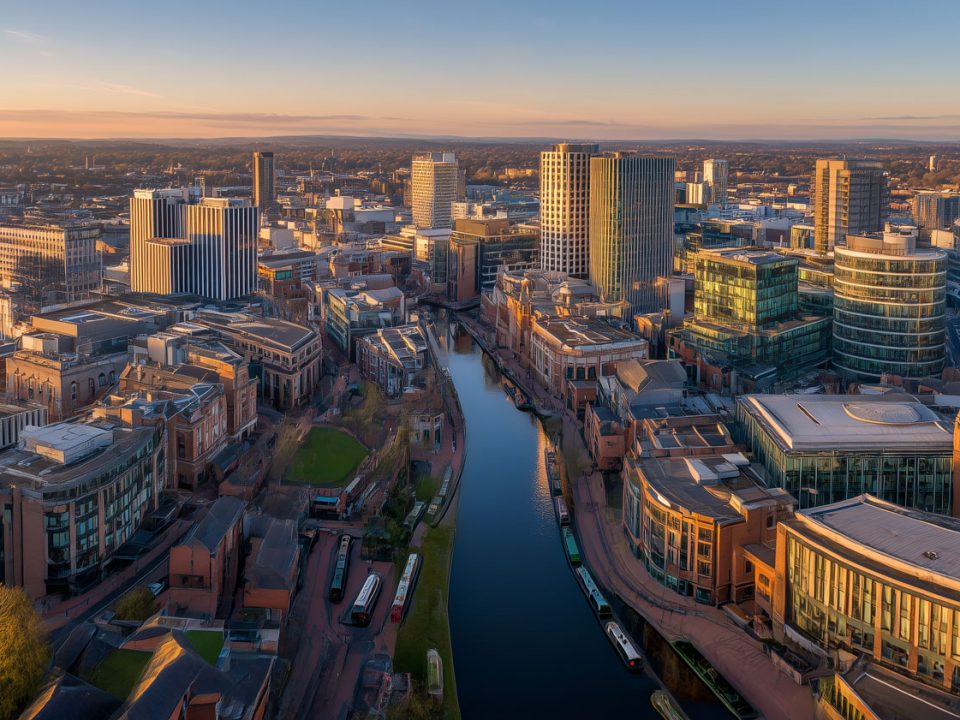
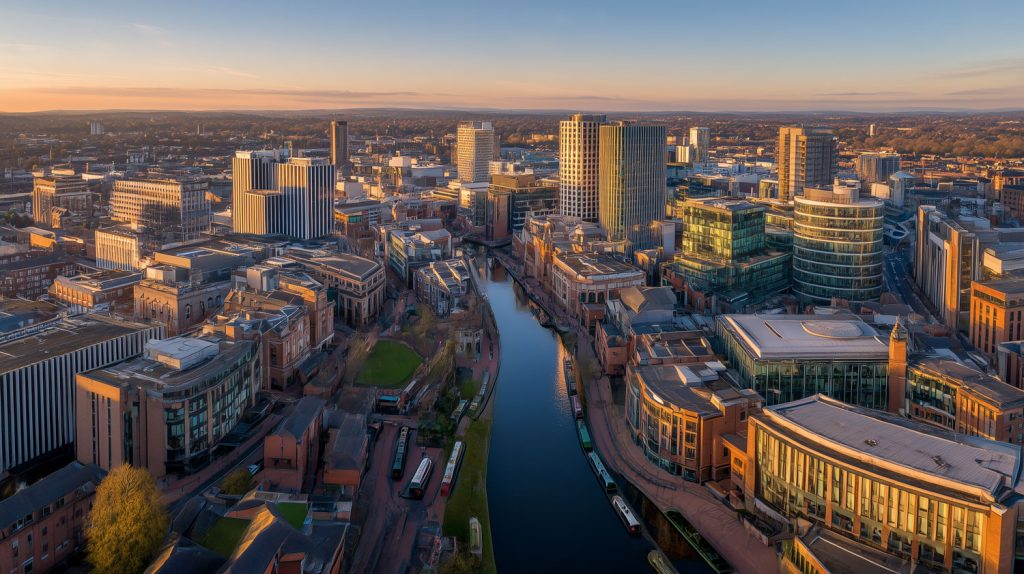
Birmingham is one of the UK’s most photographically rich cities. Its cultural diversity, its arts organisations, its community projects and its regenerating neighbourhoods all generate stories worth telling. If you’re looking for a documentary photographer in Birmingham for community work, arts and heritage commissions, charity projects or organisational photography, this is what we do.
Outroslide Photography is based in Walsall and works regularly across Birmingham and the wider West Midlands. With 14 years of experience in documentary, community and heritage photography, and a track record of Arts Council England and Heritage Lottery funded project work, we bring a considered, editorial approach to every commission.
What documentary photography is, and what it isn’t
Documentary photography is about recording what is actually happening, with as little interference as possible. It is not about staging moments, directing subjects into poses, or producing a polished promotional image that bears little resemblance to the real thing.
In practice, that means arriving early, working quietly, and letting the session unfold. It means being in the right place before a moment happens, not asking for it to be repeated. It means producing images that feel true to the people in them. That is why organisations working with communities, charities, and public audiences come back to this approach rather than commercial portrait or advertising photography.
For Birmingham organisations in particular, that authenticity matters. The city has a long history of community-led cultural work, and the people involved in it tend to notice when photography feels genuine and when it doesn’t.
Who hires a documentary photographer in Birmingham
The organisations that commission documentary photography in Birmingham tend to fall into a few broad groups.
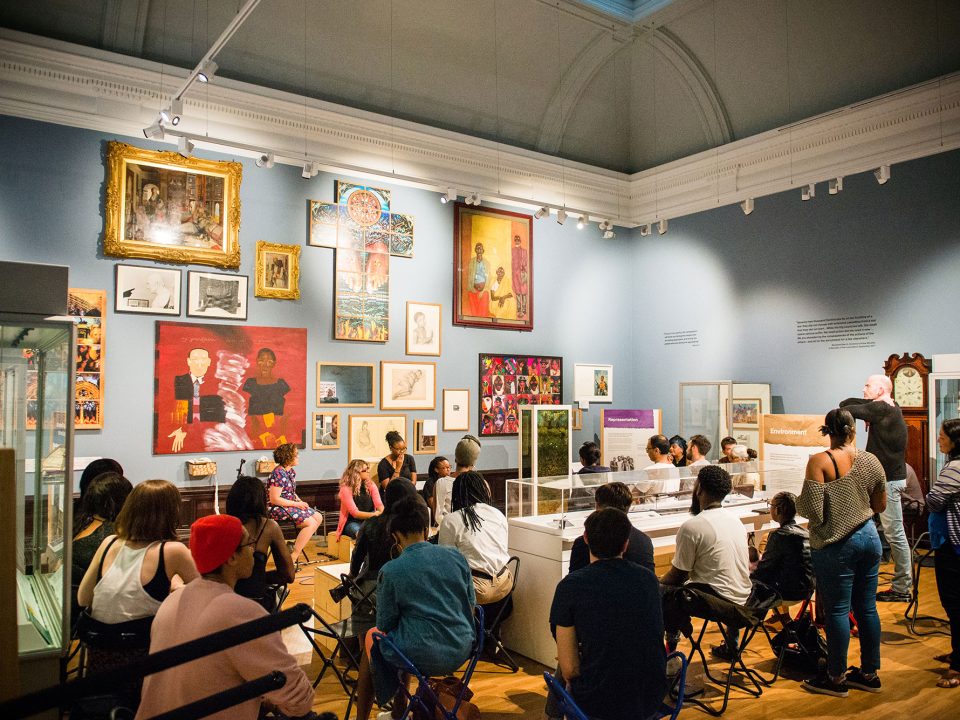
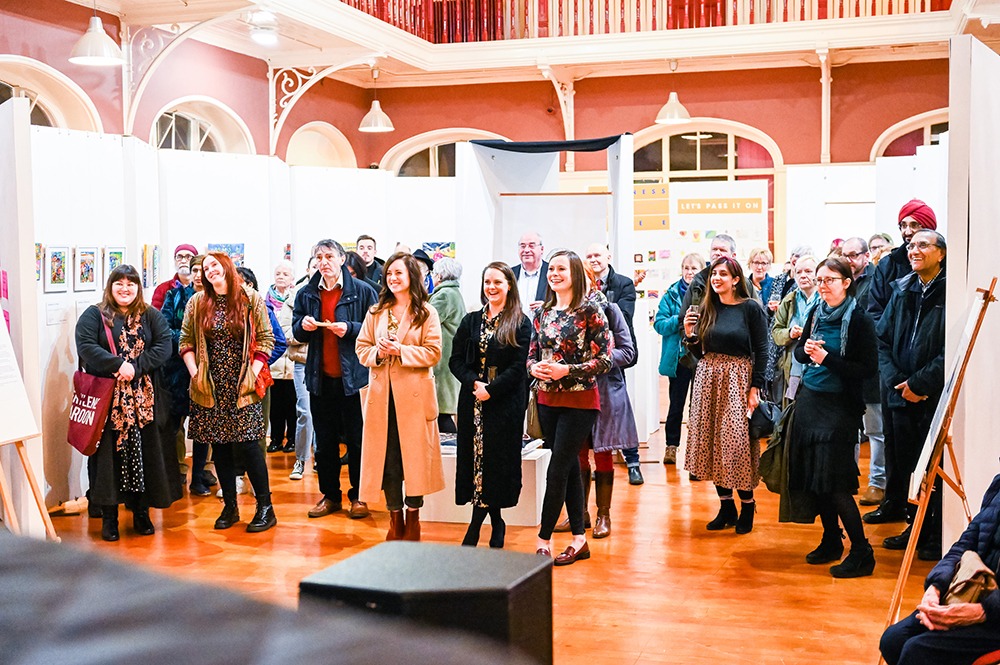
Arts organisations and funded projects. Theatres, galleries, museums, arts centres and touring companies need photography that captures work in progress, performances, community engagement sessions and audiences. The images are used for funding reports, press releases, grant applications and archive purposes. Arts Council England and Heritage Lottery funded projects have specific requirements around image quality and usage rights. Familiarity with those requirements matters.
Charities and community organisations. Charities working in Birmingham need photography for impact reports, websites, social media and communications to funders and supporters. The challenge is producing images that show the real human impact of the work without making subjects feel like they are being put on display. That balance requires a calm, respectful approach and experience working with people who may not be comfortable in front of a camera.
Heritage and archive projects. Birmingham has a significant heritage sector. The Library of Birmingham, the Birmingham Museum and Art Gallery, and numerous local history organisations all commission photography for archive and exhibition purposes. Heritage photography requires patience, an understanding of what needs to be recorded and why, and technical competence in mixed lighting conditions, which are common in heritage buildings.
Education and public sector organisations. Schools, colleges, universities and local authority teams commission documentary photography for communications, annual reports and internal records. The work often involves photographing people in natural settings (workshops, classrooms, outdoor spaces) without pulling them out of what they are doing.
Social enterprises and sector bodies. Organisations working in social enterprise, housing, health and community development need photography that shows the work honestly. These commissions tend to be ongoing rather than one-off. A relationship built over time rather than a single day’s shoot.
Birmingham’s cultural landscape
Birmingham has a particularly strong infrastructure for the kind of organisations that commission documentary photography. The city is home to Birmingham Hippodrome, the largest regional theatre in the UK by audience numbers. Flatpack Film Festival and Birmingham International Jazz and Blues Festival draw audiences from across the region. Eastside Projects, Vivid Projects and Grand Union sit in the independent arts sector. The West Midlands Combined Authority funds a significant programme of community and cultural work across the region.
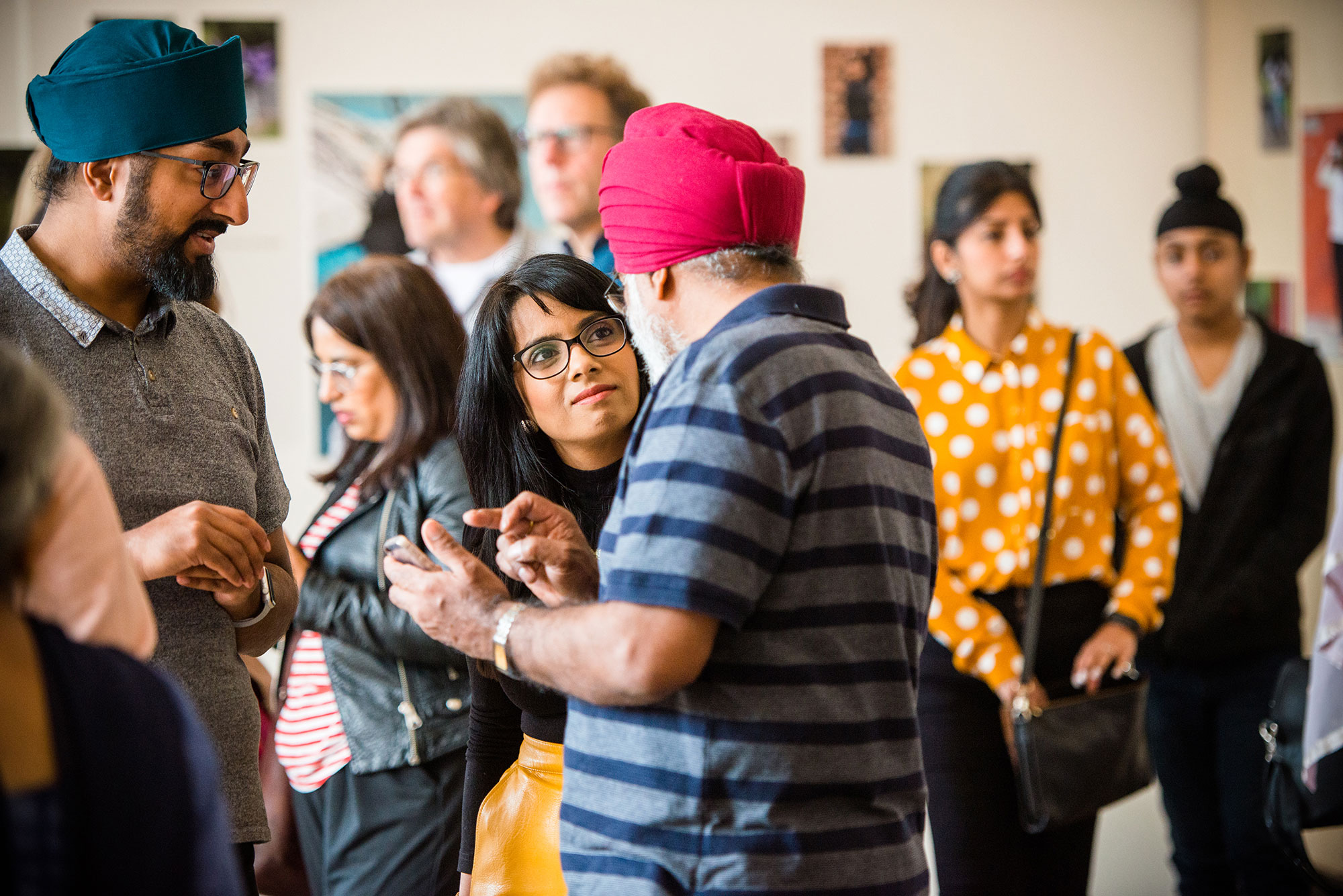
Add to this Birmingham’s extraordinary cultural diversity. The city has the largest proportion of residents from South Asian backgrounds of any major UK city, a significant Afro-Caribbean community, and strong representation from across Europe, the Middle East and beyond. That generates a density of community storytelling work that few places in the UK can match.
Photography for this sector needs to be culturally aware. The ability to work across different communities, understand different contexts, and produce images that feel respectful and representative is not something that can be assumed. It comes from experience.
How a documentary commission typically works
Most commissions start with a conversation. What is the project? Who are the people involved? What are the images for, and what do they need to show? Those questions shape everything: how long the session needs to be, how many images are required, what the lighting conditions will be, and whether any subjects need particular care around consent or how they are represented.
For community and charity commissions, we discuss consent processes before the shoot rather than on the day. If written consent forms are needed, we can provide templates. If certain individuals should not be identifiable in final images, that is agreed in advance, not sorted out afterwards during editing.
On the day, we work quietly. We don’t direct unless it’s absolutely necessary. We move around the space, read what is happening, and position accordingly. Most subjects stop noticing the camera within 20 minutes, which is when the real photography tends to start.
Delivery is typically within five working days. Images are supplied as high-resolution files for print and web-ready versions for digital use, with clear information on usage rights. For funded projects, we can supply a short written record of the session for your archive if needed.
Funded project experience
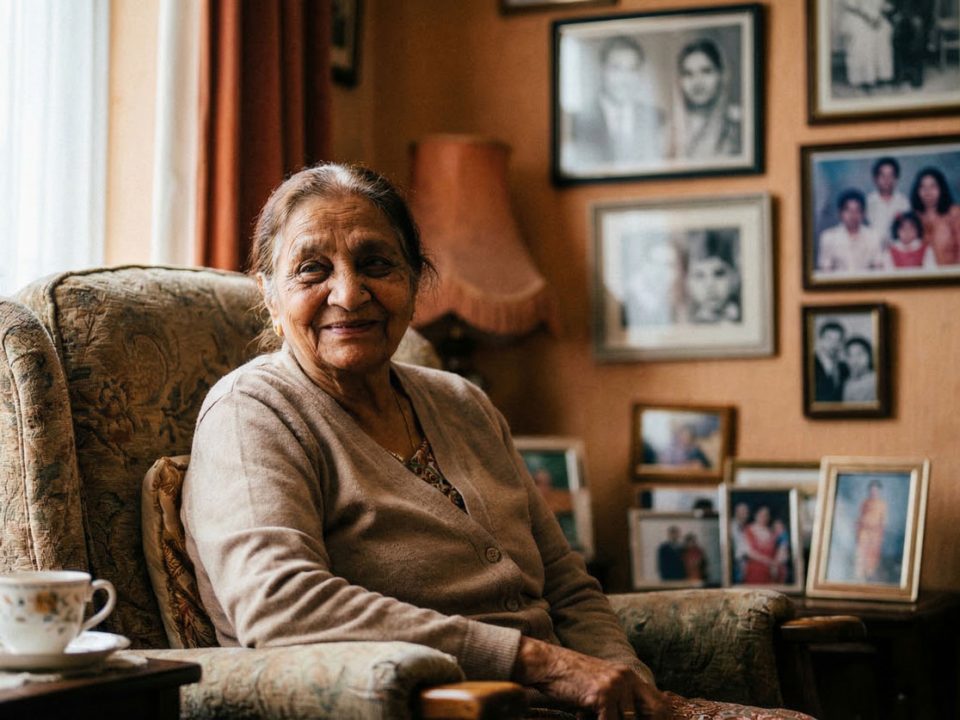
Arts Council England and Heritage Lottery Fund projects have specific requirements. Arts Council England often asks for imagery that demonstrates community engagement and participation, rather than polished promotional material. HLF projects frequently involve heritage buildings, archive material, and older community members, all of which require a particular kind of patience and sensitivity.
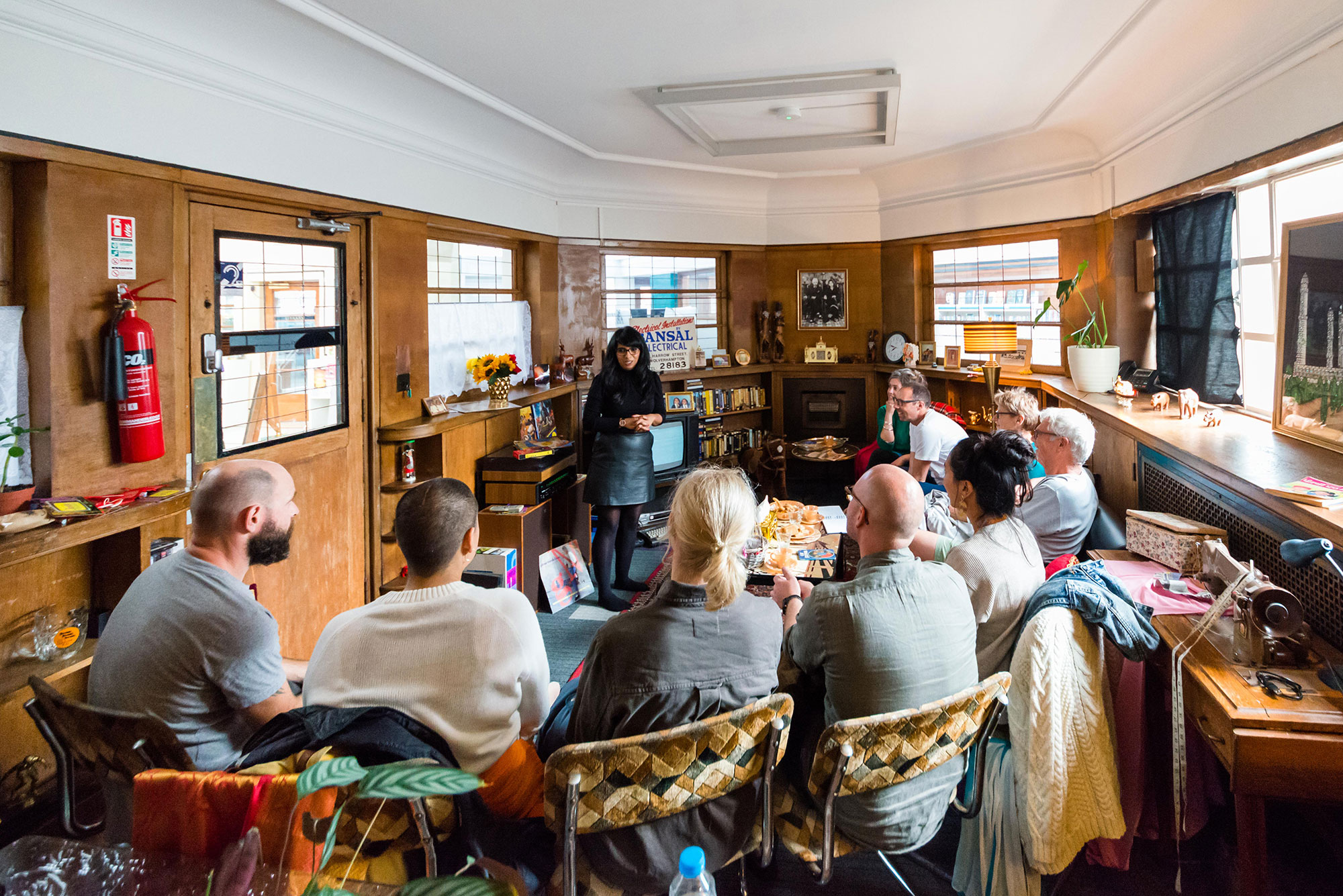
Having worked on Arts Council and Heritage Lottery funded commissions, we understand what funders expect to see in final reports, how images should be captioned and credited, and what usage rights are typically required. This saves time and avoids misunderstandings at the delivery stage.
Frequently asked questions
Do you cover Birmingham city centre and surrounding areas?
Yes. We work across Birmingham city centre, Digbeth, Erdington, Handsworth, Moseley, Balsall Heath, Ladywood, Edgbaston and surrounding areas. We also cover Walsall, Wolverhampton, Coventry and the wider West Midlands.
Do you photograph weddings?
No. Outroslide Photography focuses on documentary, community, heritage and organisational work. We don’t take wedding commissions.
How much does a documentary photography commission cost in Birmingham?
Half-day commissions typically start from £450. Full-day rates vary depending on the scope and usage requirements. Funded projects and multi-session commissions can be quoted on a project basis. Get in touch and we’ll put together a clear quote with no surprises.
Can you provide images for funding reports and grant applications?
Yes. We regularly supply photography for Arts Council England and Heritage Lottery funded project reports. Images are delivered with correct metadata, captions and usage rights documentation to meet funder requirements.
How do you handle consent and safeguarding?
Consent and safeguarding are discussed before the shoot, not on the day. We can work within your organisation’s existing consent processes or provide standard templates. Safeguarding requirements, including not photographing certain individuals or anonymising subjects, are agreed in advance and built into the editing process.
How quickly will we receive the images?
Typically within five working days. For time-sensitive commissions (press deadlines, event social media), a faster turnaround can usually be arranged at the time of booking.
Get in touch
If you’re looking for a documentary photographer in Birmingham for a community project, arts commission, heritage assignment or charity work, we’d be glad to hear about it. Use the contact page to send a brief description of your project and we’ll come back to you promptly.
You can also browse the portfolio for examples of community and documentary work, or read more about our services.